Know the risks
The manual covers pools, open gates, hot tubs, canals, beaches, drains, and open water as normal household safety responsibilities, not rare emergencies.
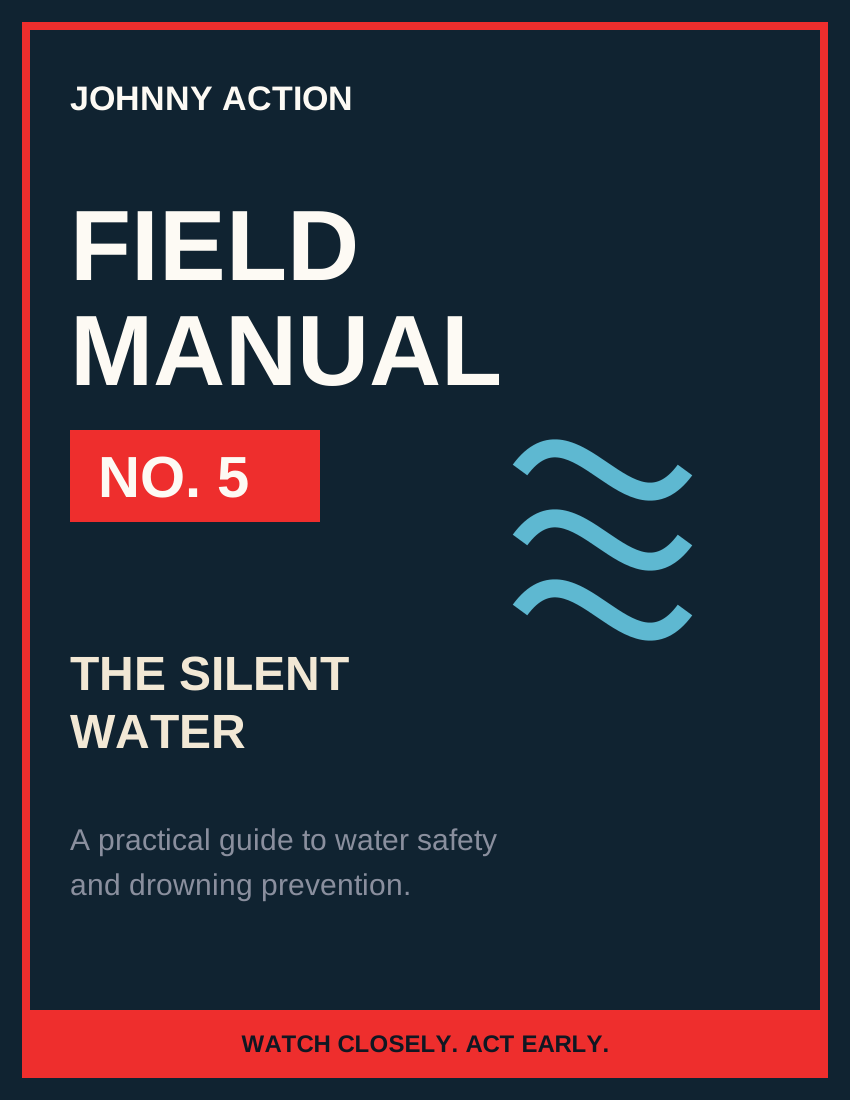
Field Manual
A practical family guide to water safety and drowning prevention.
Inside the Manual
The Silent Water focuses on the quiet danger of everyday water access and the habits that allow a child to get too close to a pool, hot tub, canal, lake, beach, or other open water without anyone realizing the risk. It treats drowning as a preventable family-system problem rather than a single bad decision.
The guide walks families through identifying every water risk around the home and neighborhood, assigning supervision, setting clear rules for adults, and deciding what to do the moment a child goes missing or is near water and unaccounted for. It keeps the emphasis practical: if the plan is clear before a crisis, it is much more likely to be followed under stress.
Water safety is a family system. The right plan is one everyone understands, even when the day is busy, distracting, or emotionally overloaded.
The core approach
The manual covers pools, open gates, hot tubs, canals, beaches, drains, and open water as normal household safety responsibilities, not rare emergencies.
It tells families to define who is supervising, where the child is, and what happens when attention is split between a child and a task or conversation.
It turns emergency response into a simple, repeatable routine so adults know what to say, who to call, and what to do before paramedics arrive.
What You’ll Find Inside
Use it at home
The manual stresses that drowning is often the result of assumptions and distraction, not a dramatic failure. The practical fix is to treat water safety like a household system: no casual access, no unclear responsibility, no incomplete watch, and no “I thought someone else had it” standard.
Print the guide, go through it with every adult in the home, and define the exact watch rules before children are near water. The goal is not perfection; it is a repeatable family pattern that is easy to remember when the day gets busy.
Source text
The text below is transcribed from the original Silent Water PDF. Page labels, headings, safety guidance, citations, and references are retained from the source; its manual number is presented as No. 5 per the approved Field Manual sequence.
FIELD MANUAL NO. 5 - THE SILENT WATER
THE FACTS YOU CANNOT UN-KNOW
DROWNING IS THE NUMBER ONE CAUSE OF DEATH FOR CHILDREN AGES 1-4 IN
AMERICA. NOT CARS. NOT ILLNESS. WATER. (C.D.C. - PUBLIC RECORD.)
AND IT'S GETTING WORSE - DROWNING DEATHS FOR AGES 1-4 ROSE 28% IN JUST
A FEW YEARS. TWO CHILDREN A DAY. FOR EVERY CHILD LOST, 7-8 MORE GO TO
THE E.R.
DROWNING IS SILENT. NO SPLASH. NO YELLING. NO ARMS WAVING. A CHILD SLIPS
UNDER WITHOUT A SOUND - IN THE TIME IT TAKES TO READ ONE TEXT. THE
SILENCE IS THE EMERGENCY.
THE HABIT THAT SAVES CHILDREN: IF IT GOES QUIET AND YOU DON'T
KNOW WHERE THE CHILD IS - CHECK THE WATER FIRST. NOT LAST. FIRST.
NO SINGLE LAYER IS ENOUGH. WHEN ONE FAILS - AND ONE WILL - THE NEXT
LAYER CATCHES YOUR CHILD. BUILD ALL FIVE.
FIELD MANUAL NO. 5    FREE AT JOHNNYACTIONARMY.COM    SATURDAYS 10AM - TRUE OLDIES CHANNEL    PAGE 1 OF 8
Johnny Action Hotline: 855-88ACTION  ?  Call Anytime 24/7/365

LAYER ONE - THE BARRIER
MOST YOUNG CHILDREN WHO DROWN WERE NOT SWIMMING. NO BATHING SUIT. NO
POOL PARTY. THEY WERE INSIDE ONE MINUTE - AND THEN THEY WEREN'T. THE
BARRIER IS FOR GONE-FOR-A-MINUTE TIME.
FENCE - FOUR SIDES, AROUND THE POOL ITSELF. NOT JUST AROUND THE
YARD.
AT LEAST 4 FEET TALL. NO FOOTHOLDS. NO GAPS TO SQUEEZE UNDER OR
THROUGH.
THE HOUSE WALL IS NOT ONE OF THE FOUR SIDES. LEAVING THE HOUSE AND
REACHING THE POOL MUST BE TWO DIFFERENT EVENTS - WITH A LOCKED
GATE IN BETWEEN.
GATE SELF-CLOSES AND SELF-LATCHES ON ITS OWN. LATCH MOUNTED HIGH,
OUT OF A CHILD'S REACH.
THE GATE TEST - DO IT TODAY: OPEN THE GATE. LET GO. DOES IT SWING SHUT
AND CLICK BY ITSELF? IF NOT, IT'S NOT A GATE. IT'S A DOORWAY WITH GOOD
INTENTIONS.
RENTING? REMOVABLE MESH POOL FENCES GO UP WITHOUT TEARING UP THE
YARD. NO EXCUSE IS BIG ENOUGH.
DATE I WALKED MY GATE:
FIELD MANUAL NO. 5    FREE AT JOHNNYACTIONARMY.COM    SATURDAYS 10AM - TRUE OLDIES CHANNEL    PAGE 2 OF 8
Johnny Action Hotline: 855-88ACTION  ?  Call Anytime 24/7/365

LAYER TWO - THE ALARM
BARRIERS FAIL. GATES GET PROPPED. DOORS GET LEFT CRACKED FOR THE DOG.
THE ALARM SHOUTS THE MOMENT LAYER ONE FAILS. USE MORE THAN ONE KIND.
DOOR & GATE ALARMS ON EVERY DOOR AND GATE THAT LEADS TO WATER -
BACK DOOR, GARAGE, SCREEN DOOR, POOL GATE. PASS BUTTON MOUNTED
HIGH. WRITE THIS NAME DOWN: POOLGUARD.
POOL ALARM IN THE WATER - LOOK FOR "SUBSURFACE" OR "IMMERSION" ON
THE BOX. THE FEDERAL SAFETY AGENCY (C.P.S.C.) SAYS SUBSURFACE BEATS
THE FLOATING RIPPLE-READERS.
THE WEARABLE - FOR THE LITTLE ESCAPE ARTIST. WRISTBAND ON THE CHILD;
BASE STATION SCREAMS THE SECOND IT TOUCHES WATER. THE NAME TO
KNOW: SAFETY TURTLE. BAND + GATE ALARM = TWO CATCHES.
A.I. POOL CAMERA - EXTRA EYES ON YOUR PHONE. ADD IT ON TOP OF THE
FENCE. NEVER INSTEAD OF IT. A SCREEN NEVER STOPPED A CHILD FROM
GETTING WET.
THE RULE: AN ALARM IS THE LAST LINE, NOT THE FIRST. IT BUYS YOU SECONDS -
AND SECONDS ARE THE DIFFERENCE BETWEEN A SCARE AND A FUNERAL. YOU
STILL HAVE TO RUN.
FIELD MANUAL NO. 5    FREE AT JOHNNYACTIONARMY.COM    SATURDAYS 10AM - TRUE OLDIES CHANNEL    PAGE 3 OF 8
Johnny Action Hotline: 855-88ACTION  ?  Call Anytime 24/7/365

LAYER THREE - THE EYES: THE WATER WATCHER
IN MOST DROWNINGS OF CHILDREN 1-4, AN ADULT WAS "SUPPOSED TO BE
WATCHING." THE SENTENCE THAT ENDS LITTLE LIVES: "I THOUGHT YOU HAD HIM."
AT ANY GATHERING NEAR WATER, ONE ADULT IS THE WATER WATCHER. ONE
JOB. ONLY JOB.
NO PHONE. NO DRINK. NOT ON THE GRILL. NOT DEEP IN CONVERSATION. EYES
ON THE WATER.
HAND IT OFF OUT LOUD, LIKE A BATON: "YOU ARE NOW THE WATER WATCHER."
NEVER ASSUMED. NEVER DRIFTS TO NOBODY.
USE A TAG - A LANYARD OR CARD THAT SAYS WATER WATCHER. WHOEVER
WEARS IT IS ON DUTY, AND EVERYBODY CAN SEE WHO.
TODDLERS: WATCHING MEANS ARM'S REACH. TOUCH DISTANCE. CLOSE
ENOUGH THAT YOUR HAND GETS THERE BEFORE THE WATER DOES.
OUR WATER WATCHER FOR THE NEXT SWIM DAY:
SECOND SHIFT (THE HANDOFF):
FIELD MANUAL NO. 5    FREE AT JOHNNYACTIONARMY.COM    SATURDAYS 10AM - TRUE OLDIES CHANNEL    PAGE 4 OF 8
Johnny Action Hotline: 855-88ACTION  ?  Call Anytime 24/7/365

LAYER FOUR - THE SKILL: SWIM LESSONS
FORMAL SWIM LESSONS LOWER A CHILD'S RISK OF DROWNING. PROVEN. IN THE
DATA. NOT A MAYBE.
SIGN THE KIDS UP - Y.M.C.A. (OFTEN SLIDING SCALE), CITY PARKS
DEPARTMENT, RED CROSS. FREE AND LOW-COST PROGRAMS EXIST FOR
FAMILIES WHO NEVER GOT THE CHANCE.
PARENTS TOO. ABOUT 40 MILLION AMERICAN ADULTS CANNOT SWIM - AND
FEAR PASSES DOWN THROUGH A FAMILY. IT IS NOT TOO LATE. NOT FOR THE
CHILD. NOT FOR YOU.
CHILDREN WITH AUTISM: WANDERING TO WATER IS ONE OF THE GREATEST
DANGERS THEY FACE. ASK FOR SWIM PROGRAMS BUILT FOR THESE KIDS -
THEY EXIST.
THE WARNING INSIDE THE GOOD NEWS: THERE IS NO SUCH THING AS
DROWN-PROOF. A CHILD WHO SWIMS CAN STILL PANIC, TIRE, HIT THEIR HEAD.
LESSONS ARE A LAYER - NOT A FORCE FIELD. THE FENCE STILL STANDS. THE
ALARM STILL ARMS. THE WATCHER STILL WATCHES.
LESSONS START DATE:
FIELD MANUAL NO. 5    FREE AT JOHNNYACTIONARMY.COM    SATURDAYS 10AM - TRUE OLDIES CHANNEL    PAGE 5 OF 8
Johnny Action Hotline: 855-88ACTION  ?  Call Anytime 24/7/365

LAYER FIVE - THE LAST LAYER: C.P.R.
IF A CHILD GOES UNDER, THE MINUTES BEFORE THE AMBULANCE BELONG TO YOU.
C.P.R. STARTED POOLSIDE IS THE SINGLE BIGGEST THING THAT DECIDES WHETHER
A CHILD LIVES - AND LIVES WHOLE. IT PROTECTS THE BRAIN.
TAKE A REAL CLASS - A COUPLE OF HOURS. RED CROSS OR AMERICAN HEART
ASSOCIATION. SIGN UP ONLINE TONIGHT.
LEARN THE CHILD AND INFANT VERSION - IT'S DIFFERENT FROM THE
GROWN-UP VERSION.
BLUNT LINE: A POOL IN THE YARD AND NOBODY IN THE HOUSE KNOWS C.P.R.
- THAT'S A HOLE IN YOUR HOUSE. FILL IT THIS WEEK.
C.P.R. TRAINED IN OUR HOUSE:
CLASS DATE:
FIELD MANUAL NO. 5    FREE AT JOHNNYACTIONARMY.COM    SATURDAYS 10AM - TRUE OLDIES CHANNEL    PAGE 6 OF 8
Johnny Action Hotline: 855-88ACTION  ?  Call Anytime 24/7/365

THE WATER CHANGES AS THEY GROW
UNDER 1: THE BATHTUB AND THE BUCKET. A BABY CAN DROWN IN INCHES. NEVER
LEAVE A BABY IN THE BATH - NOT FOR ONE SECOND. DOORBELL RINGS? BABY
COMES WITH YOU. DRAIN THE TUB. EMPTY AND FLIP EVERY BUCKET.
AGES 5-14: THE DANGER MOVES OUTDOORS - LAKES, RIVERS, OCEAN. CURRENTS
YOU CAN'T SEE, BOTTOMS THAT DROP OFF IN ONE STEP.
TEENS: NEARLY 80% OF ALL DROWNINGS ARE MALE. DARES, DISTANCE SWIMS,
ALCOHOL. HE NEEDS TO HEAR IT FROM YOU: THE WATER DOESN'T CARE HOW
STRONG HE IS.
BOATS AND OPEN WATER: COAST GUARD APPROVED LIFE JACKETS - IT SAYS SO
ON THE LABEL. FLOATIES AND NOODLES ARE TOYS, NOT SAFETY DEVICES.
CHILDREN WITH AUTISM: HIGHEST RISK OF ALL. FENCES, DOOR ALARMS, THE
WEARABLE BAND - NOT EXTRA. ESSENTIAL.
FIELD MANUAL NO. 5    FREE AT JOHNNYACTIONARMY.COM    SATURDAYS 10AM - TRUE OLDIES CHANNEL    PAGE 7 OF 8
Johnny Action Hotline: 855-88ACTION  ?  Call Anytime 24/7/365

TONIGHT. THIS WEEK. EVERY DAY.
THE FIX YOU CAN DO TONIGHT
WALK TO THE POOL GATE - OPEN IT, LET GO. DOES IT SELF-LATCH?
ALARM ON THE BACK DOOR? IF NO - ORDER A DOOR ALARM AND GATE ALARM
FROM YOUR PHONE TONIGHT FOR LESS THAN DINNER OUT.
WALK THE HOUSE: EMPTY EVERY BUCKET, WADING POOL, COOLER OF MELTED
ICE. DRAIN THE TUB.
THE ONE THING THIS WEEK
SIGN UP FOR CHILD & INFANT C.P.R. - FIVE MINUTES ONLINE TO FIND A CLASS.
NAME YOUR WATER WATCHER OUT LOUD, TO A REAL HUMAN BEING.
AFTER A REAL STRUGGLE IN THE WATER - PULLED OUT, HARD COUGHING - WATCH THE
CHILD FOR A DAY. TROUBLE BREATHING, COUGHING THAT WON'T STOP, UNUSUAL SLEEPINESS
OR CONFUSION, LIPS LOOK OFF: GET THEM SEEN.
EVERY BRAND, EVERY STANDARD, IN ONE FREE PLACE WITH NOTHING TO SELL
YOU: POOLSAFELY.GOV
TELL SOMEBODY. DON'T BE ALONE WITH THIS. MAKE THE PLAN OUT LOUD, WITH
ANOTHER PERSON, TODAY.
JOIN THE JOHNNY ACTION ARMY - FREE - AT JOHNNYACTIONARMY.COM. PRINT YOUR ACTION
ARMY I.D., GOOD AT PARTICIPATING MERCHANTS AND VENUES NATIONWIDE.
I AM JOHNNY ACTION. AND WE FIGHT BACK.
FIELD MANUAL NO. 5    FREE AT JOHNNYACTIONARMY.COM    SATURDAYS 10AM - TRUE OLDIES CHANNEL    PAGE 8 OF 8
Johnny Action Hotline: 855-88ACTION  ?  Call Anytime 24/7/365
Free printable resource
Register with your name and email to access the complete PDF. Your submission uses the existing Action Army membership registration system and requires consent to the Privacy Policy.